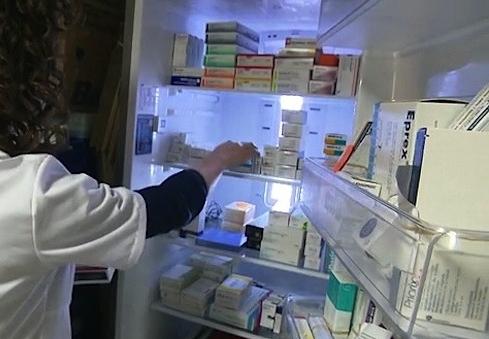
How to safely store or transport your insulin

Diabetes affects 422 million people and is one of the leading causes of mortality worldwide.
When diagnosed early and properly managed, people with diabetes can control their condition, particularly through insulin.
However, this treatment requires special attention. Explications.
A practical guide for storing and transporting insulin
Insulin, from the pharmacy to your fridge and instructions for use
The effectiveness of treatments is closely linked to how they are stored. This is especially true for insulin, which has to be kept within a specific temperature range of +2 to +8 °C.
From the pharmacy delivery to your return home, here are some practical tips for transporting and storing your insulin properly:
- – Ask your pharmacist to provide you with a cooling pouch to keep your insulin cold until you arrive home;
- – During transport, do not expose the medication to sunlight or heat;
- – It is imperative to refrigerate the insulin as quickly as possible. Minimise your travel time and place the medication in your refrigerator as soon as you get home; Minimise your travel time and place the medication in your refrigerator as soon as you get home;
- – Store the insulin in the middle of the refrigerator, never in the vegetable drawer or in the door (these parts of the refrigerator are not cold enough);
- – Never place insulin in the ice compartment or in the freezer (the temperature there is lower than that of the fridge);
- – Avoid letting your treatment come into contact with the walls of the refrigerator and other foods;
- – Ensure that the temperature of your refrigerator where you store your insulin is indeed between +2 and +8 °C.
Insulin, a treatment to handle with care
Temperature-sensitive medication like insulin is extremely sensitive to any temperature variation, whether hot or cold. It should never be exposed to a temperature above +8 °C or below +2 °C, as it can become inactive, or worse, in the case of significant and/or prolonged exposure, become toxic.
Given the small amount of product contained in insulin pens, their temperature rise can be exceedingly rapid. They only need about three minutes exposed to an average room temperature of +20 °C to reach +8 °C.
Therefore, make sure you protect your treatment well; your health depends on it!
And for added safety, there are insulated solutions designed for transporting insulin from the pharmacy to your home. Our IGLOO insulated pouches, the only certified pouches on the market, can keep insulin safe for up to one hour without the risk of freezing the product. Ask your pharmacist for one!