Coldway Technology: autonomous cooling for every application
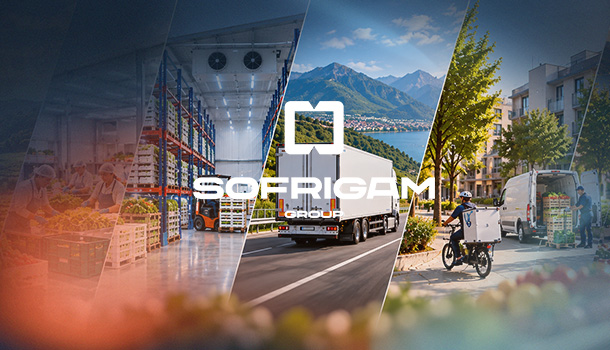
From cargo bikes to utility vehicles, from active containers to applications in remote areas, Coldway adapts cooling production to specific needs, applications and available resources.
Every year, 526 million tonnes of food are lost or wasted worldwide due to insufficient refrigeration, representing around 12% of global food production, according to the FAO.
Temperature control therefore plays an essential role in preserving food throughout its journey.
But developing the cold chain also means better managing the energy required to produce cooling.
This is precisely where Coldway comes in.
One technology, multiple applications
For over 20 years, Coldway has been developing a thermochemical technology designed to produce cooling autonomously while making use of available energy.
What makes it unique is its ability to adapt to cooling requirements, the volume being transported, mobility needs and available resources.
Today, this technology is used across a range of applications:
For urban deliveries and new mobility solutions
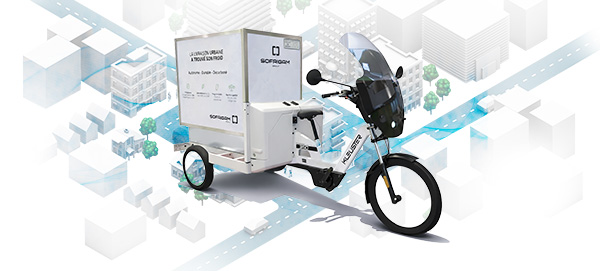
Coldway active containers, including the C510 and C830, can be integrated into cargo bikes to transport food or healthcare products under controlled temperature conditions, without drawing power from the battery used for mobility.
→ Discover Coldway active solutions
For electric utility vehicle delivery rounds
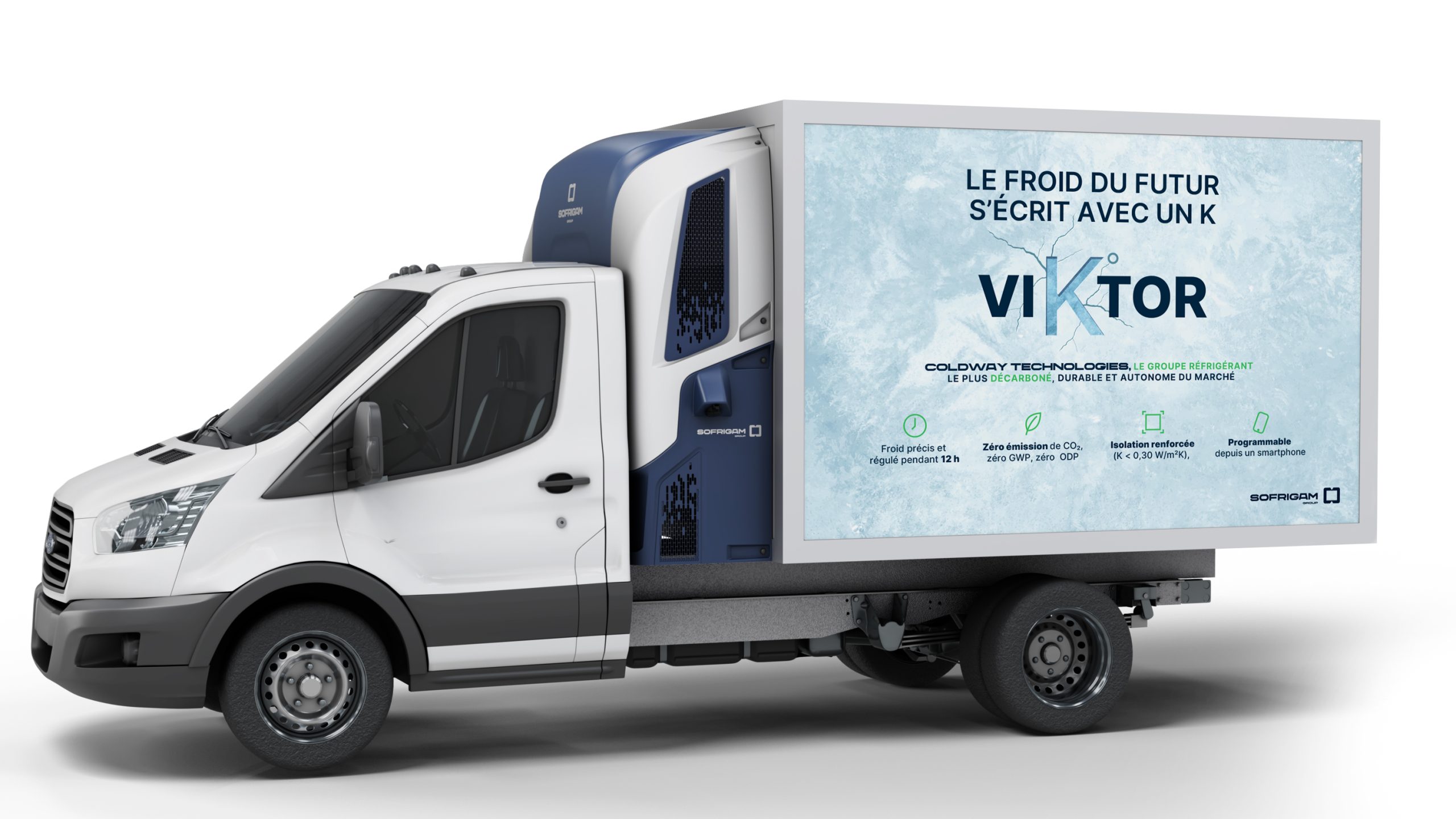
With ViKtor, cooling is produced independently of the vehicle’s traction battery. An approach designed to combine the electrification of mobility with temperature-controlled transport.
For mobile logistics requirements
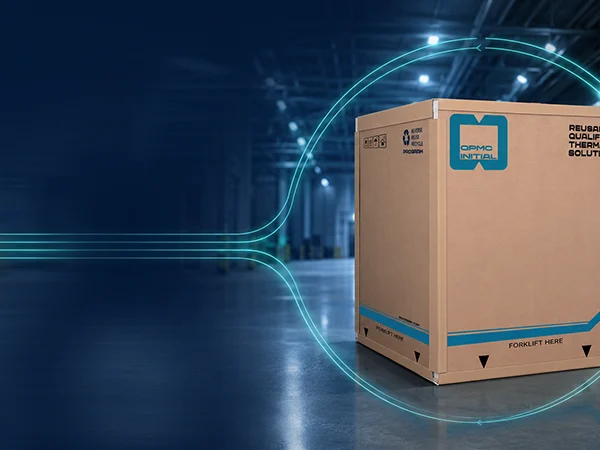
Coldway active roll containers provide autonomous cooling directly within a mobile container, with different capacities and temperature ranges depending on the application.
→ Discover Coldway active roll containers
For producing cooling from available resources
Coldway technology can also harness a heat source, including solar energy, to produce cooling in environments where access to the electricity grid is limited.
One technology, multiple applications, all based on the same principle: adapting cooling production to actual needs and available resources.
This is our vision of Thermodynamics for Life: making thermodynamics accessible and putting it at the service of life and the living world.